
Introduction
Glycosylation is an main publish-translational amendment that severely affects protein feature, stability, and interplay with different biomolecules. The difficult nature of glycosylation profiles adds complexity to the find out about of glycoproteomics, primarily inside the contexts of drug progress and bioconjugation. Mass spectrometry (MS) has emerged as a powerful instrument for reading those glycosylation patterns, providing researchers with insights that had been formerly unimaginable.
In this article, we delve into the nuances of glycosylation profiling by using mass spectrometry, analyzing its implications for bioconjugation and drug construction. We will explore a large number of elements together with glycan mapping, glycoengineering, monoclonal antibodies, and healing glycoproteins. By the stop of this exploration, you possibly can apprehend why examining glycosylation profiles with mass spectrometry is thought to be a online game changer in those fields.
Understanding Glycosylation
What is Glycosylation?
Glycosylation refers to the enzymatic procedure through which carbohydrates (glycans) are covalently connected to proteins or lipids. This amendment performs a vital position in cellular features including mobilephone signaling, immune reaction, and protein folding.
Types of Glycosylation
Why is Glycosylation Important?
The presence research and constitution of glycans can outcome protein conformation, organic activity, and even immunogenicity. Understanding these systems is integral for growing nice therapeutics.
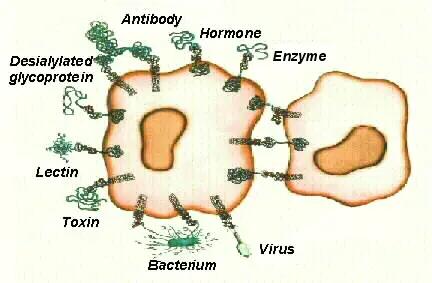
Analyzing Glycosylation Profiles with Mass Spectrometry: A Game Changer in Bioconjugation and Drug Development
Mass spectrometry enables for excessive-decision prognosis of glycan systems attached to proteins. This know-how permits researchers to choose not just the presence of glycans but additionally their specified arrangements—records necessary for the two wisdom affliction mechanisms and designing detailed cures.
How Does Mass Spectrometry Work?
Mass spectrometry operates via ionizing chemical species and sorting them stylish on their mass-to-can charge ratio (m/z). In the context of glycoproteomics:
Benefits of Using Mass Spectrometry for Glycan Profiling
- Sensitivity: Capable of detecting low-abundance glycans.
- Specificity: Provides distinct structural assistance approximately unusual glycoforms.
- Speed: Rapid analysis as compared to standard tricks.
The Role of Mass Spectrometry in Glycoproteomics
Defining Glycoproteomics
Glycoproteomics combines proteomics—studying proteins—and glycobiology—the examine of carbohydrates—to give a finished view of all glycopeptides present in a given sample.
Techniques Used in Glycoproteomic Analysis
Applications in Drug Development
Therapeutic Protein Engineering
Mass spectrometry allows the layout of glycoengineered biologics by enabling scientists to manipulate glycan buildings deliberately during protein synthesis.
Examples come with:
- Antibody-drug conjugates
- Enhanced monoclonal antibodies
Glycan-Based Therapeutics
Understanding glycan systems can cause new therapeutic approaches concentrated on distinct illnesses due to carbohydrate antigens that elicit immune responses.
Bioconjugation Techniques Enhanced through Mass Spectrometry
What is Bioconjugation?
Bioconjugation refers back to the manner in which biomolecules are covalently linked collectively—sometimes proteins with tablets or imaging sellers—to adorn healing efficacy or monitoring capabilities.
Types of Bioconjugates Analyzed with the aid of Mass Spectrometry
Challenges Faced in Analyzing Glycosylation Profiles
Despite its benefits, several challenges continue to be whilst interpreting glycosylation profiles:
FAQ Section
1. What does mass spectrometry pick out on the topic of glycans?
Mass spectrometry identifies each the presence and format of glycans hooked up to proteins, offering insights into their functional roles.
2. How does mass spectrometry give a contribution to drug advancement?
It provides relevant suggestions approximately glycan structures that have an impact on drug efficacy, stability, and immunogenicity—obligatory elements while coming up new therapeutics.
3. What is the value of N-related vs O-associated glycosylation?
N-associated glycans generally play roles in protein folding and steadiness whereas O-related glycans occasionally affect telephone signaling pathways; realizing either sorts facilitates elucidate protein goal accurately.
4. Can mass spectrometry differentiate between equivalent glycans?
Yes, developed MS approaches can distinguish between heavily comparable glycan constructions founded on their exceptional mass-to-price ratios.
five. Why are glycoengineering innovations necessary?
They enable researchers to adjust glycan systems deliberately on healing proteins modifying their effectiveness or slicing facet results.
6. How does lectin affinity chromatography relate to mass spectrometry?
Lectin affinity chromatography isolates detailed glycoproteins centered on sugar-binding homes until now they endure mass spectrometric research for exact profiling.
Conclusion
Analyzing glycosylation profiles with mass spectrometry represents a pivotal development in bioconjugation strategies and drug progression procedures through presenting correct structural insights into tricky carbohydrate ameliorations on proteins. As our understanding deepens via continual examine efforts applying those advanced methodologies, we would unveil novel therapeutic applicants more suitable adapted for exact disorder targets—lastly getting better patient outcomes by way of smarter layout choices grounded in good clinical standards surrounding glycobiology.
This article provides an intensive exam into how reading glycosylation profiles because of mass spectrometry has modified methods within bioconjugate technology and pharmaceutical innovation methods alike!